
When shopping for furniture, the lowest price tag can be hard to resist. Fast furniture offers trendy designs, quick availability, and affordable prices making it easy to furnish a home without a large upfront investment. But is cheaper furniture really the more economical choice in the long run?
When you compare fast furniture with quality furniture over time, the answer may surprise you.
What Is Fast Furniture?
Fast furniture is designed to be affordable, quickly produced, and easily replaced. Much like fast fashion, it often follows current trends and is made using lower-cost materials and mass-production methods.
The advantages are clear:
- Lower upfront cost
- Trendy styles
- Easy to purchase and replace
- Convenient for short-term needs
However, a lower purchase price can sometimes come with hidden long-term costs.
The Real Cost of Replacing Furniture
Imagine buying a low-cost bookshelf for $80. After a year or two, the shelves begin to sag, the surface becomes damaged, or the joints loosen. Replacing it with another $80 bookshelf may not seem expensive but repeating this cycle several times quickly adds up.
For example:
Fast furniture:
$80 × 4 replacements over 10 years = $320
Now, consider a quality bookshelf that costs $250 but lasts for 10 years or longer:
Quality furniture:
$250 × 1 purchase = $250
In this example, investing more at the beginning could actually save money over time.
Of course, the exact numbers depend on the product, materials, and how it is used. But the principle remains the same: the cheapest option isn’t always the least expensive option over its lifetime.
Durability Matters
One of the biggest differences between fast furniture and quality furniture is how well it handles everyday use.
Quality furniture is generally designed with greater attention to:
- Stronger construction
- More durable materials
- Better joints and hardware
- Surfaces that can withstand regular use
- Designs made to last beyond one trend or season
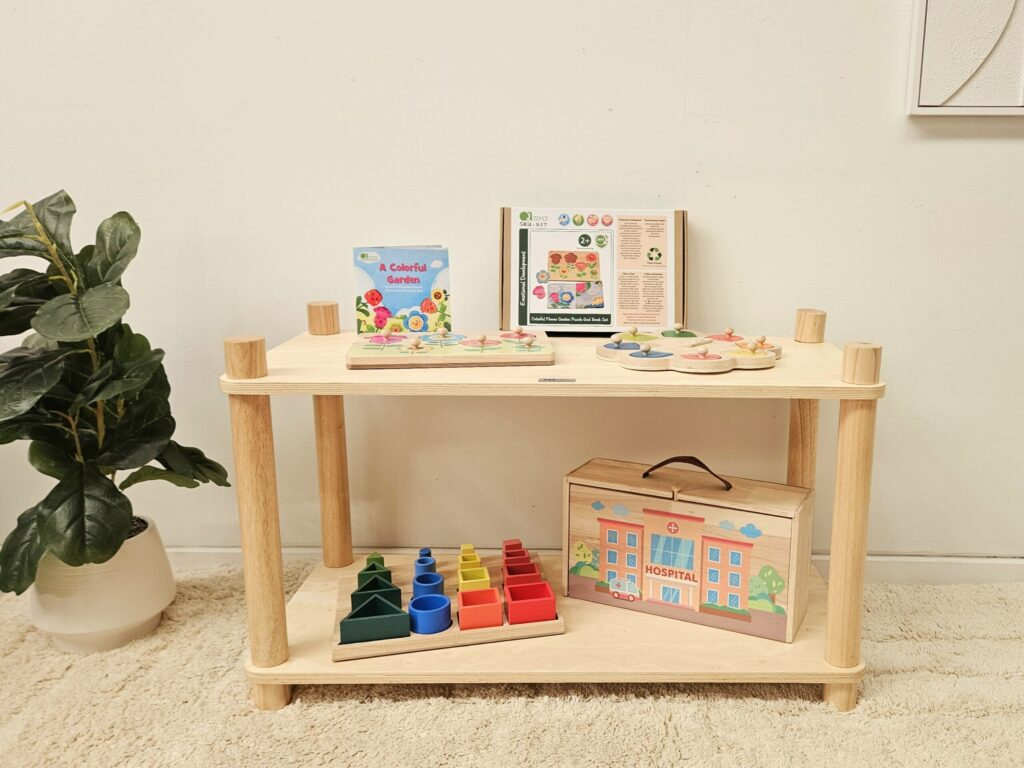
This can be especially important for furniture used every day. Children’s furniture, for example, needs to handle climbing, playing, learning, moving, and repeated use. A well-made piece may continue serving a family for years and, in some cases, even be passed on to another child.
Quality Can Mean Less Waste
Replacing furniture frequently doesn’t only affect your budget, it also creates more waste.
When inexpensive furniture breaks or becomes worn out, repairing it may be difficult or cost more than replacing it. As a result, many pieces eventually end up being discarded.
Choosing durable furniture can help reduce the cycle of buy, use, replace, and throw away.
Buying fewer pieces over a longer period can mean:
- Less furniture sent to landfill
- Less demand for frequent replacement
- Fewer resources used to manufacture new products
- Less packaging and transportation associated with repeated purchases
A longer-lasting product can therefore be a better investment for both your home and the environment.
But Does Expensive Always Mean Better?
Not necessarily.
A high price alone doesn’t guarantee quality. Before making a purchase, it is worth looking beyond the price tag and considering what you are actually getting.
Ask questions such as:
- What materials is it made from?
- How strong is the construction?
- Is it designed for everyday use?
- Can it be repaired or maintained?
- Will the design still be useful in a few years?
- How long do I realistically expect it to last?
The goal isn’t simply to buy the most expensive furniture. It’s to choose furniture that offers better value over its useful life.
Cost Per Year: A Better Way to Compare
Instead of looking only at the purchase price, try calculating the cost per year of use.
Here is a simple example:
| Furniture | Purchase Price | Expected Lifespan | Approximate Cost Per Year |
| Fast Furniture | $100 | 2 years | $50/year |
| Quality Furniture | $300 | 10 years | $30/year |
Although the quality piece costs more initially, its cost per year is lower.
This approach can help you make smarter purchasing decisions—particularly for furniture you expect to use regularly for many years.
When Fast Furniture Can Make Sense
Fast furniture isn’t always the wrong choice. Sometimes affordability and flexibility are genuinely important.
It may be suitable when:
- You need furniture for a temporary space
- You are renting short-term
- Your budget is currently limited
- You expect your needs to change soon
- The item will only be used occasionally
The key is to think about how long you need the product and how heavily it will be used.
For temporary needs, an inexpensive option may offer good value. For everyday, long-term use, investing in durability may make more financial sense.
The Bottom Line: Buy Less, Choose Better
So, which saves more, fast furniture or quality furniture?
The answer depends on your needs, but for furniture that will be used for years, quality often provides better long-term value. While the upfront cost may be higher, durable materials and thoughtful construction can reduce the need for frequent replacements.
Instead of asking only, “How much does it cost today?”, consider asking:
“How long will it last, and what will it cost me over time?”
The smartest furniture purchase isn’t always the cheapest one at checkout. Sometimes, choosing a well-made piece that lasts longer means spending less, replacing less, and wasting less in the years ahead.
Discover Timeless Timber with Q Furniture
At Q Furniture, we design furniture that combines natural beauty, durability, and thoughtful craftsmanship. Whether you’re furnishing your dining room, refreshing your outdoor living space, or creating a calm corner to unwind, our timber collections are designed to be enjoyed for years to come.
Explore our range of solid timber furniture and discover why timeless design always begins with nature. 🌿